

What is the working principle of Carbon Cored Wire in the melting process?
Jul 03, 2025
Leave a message
In the realm of metallurgy, the melting process is a critical stage where the transformation of raw materials into high - quality metals occurs. One of the essential tools in this process is the Carbon Cored Wire. As a supplier of Carbon Cored Wire, I am eager to share with you the working principle of this remarkable product in the melting process.
Introduction to Carbon Cored Wire
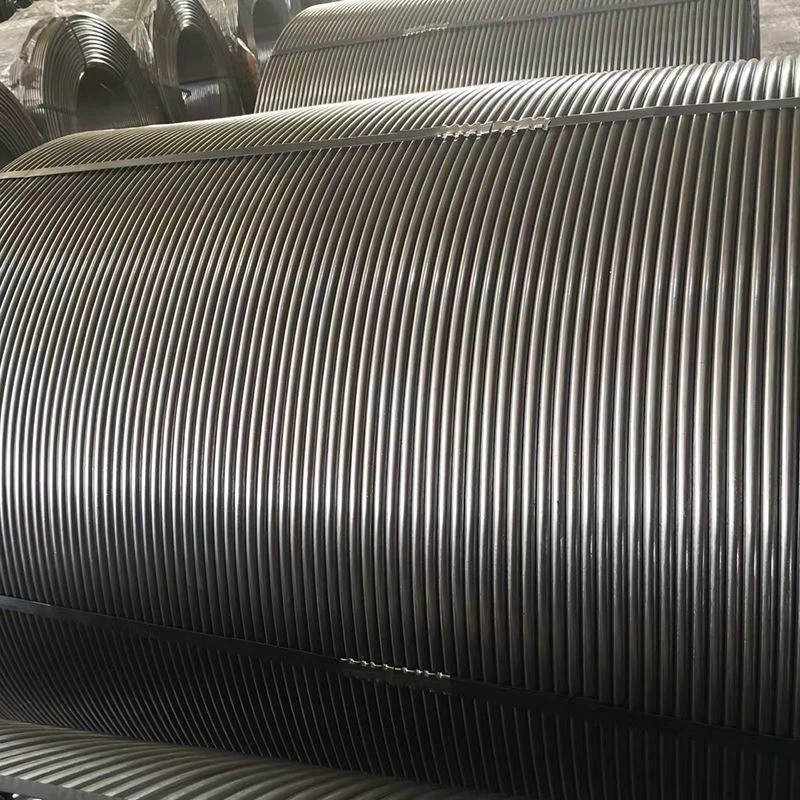
Carbon Cored Wire is a composite product consisting of a thin steel strip wrapped around a core of carbon powder. The steel strip provides a protective barrier for the carbon powder, allowing it to be accurately delivered into the molten metal. This innovative design enables precise control of the carbon content in the metal, which is crucial for achieving the desired mechanical and chemical properties of the final product.
The Role of Carbon in the Melting Process
Carbon is one of the most important alloying elements in steelmaking. It significantly affects the strength, hardness, and ductility of steel. In the melting process, adding an appropriate amount of carbon can improve the steel's hardenability, wear resistance, and tensile strength. However, the traditional method of adding carbon directly into the molten metal has some limitations, such as uneven distribution and significant loss due to oxidation. This is where the Carbon Cored Wire comes into play.
Working Principle of Carbon Cored Wire in the Melting Process
1. Delivery into the Molten Metal
The first step in the working process of the Carbon Cored Wire is its delivery into the molten metal. Specialized feeding equipment is used to feed the wire continuously into the molten bath at a controlled speed. The steel strip of the wire acts as a carrier, protecting the carbon powder from premature oxidation and ensuring that it reaches the desired depth in the molten metal. This precise delivery method allows for a more uniform distribution of carbon in the molten metal compared to other methods.
2. Melting of the Steel Strip
Once the Carbon Cored Wire enters the molten metal, the high - temperature environment causes the steel strip to melt rapidly. The melting point of the steel strip is lower than that of the molten metal in most cases, so it quickly becomes part of the molten bath. As the steel strip melts, it releases the carbon powder inside, which then begins to interact with the molten metal.
3. Dissolution and Reaction of Carbon
After the carbon powder is released into the molten metal, it starts to dissolve. The dissolution process is driven by the concentration gradient between the carbon powder and the molten metal. Carbon atoms diffuse from the powder particles into the surrounding molten metal, gradually increasing the carbon content in the local area.

At the same time, carbon can react with other elements in the molten metal. For example, it can react with oxygen to form carbon monoxide or carbon dioxide, which helps to remove oxygen from the molten metal through a de - oxidation process. This reaction is beneficial for improving the quality of the metal by reducing the oxygen content and preventing the formation of oxide inclusions.
4. Uniform Distribution of Carbon
As the carbon dissolves and reacts in the molten metal, the movement of the molten metal, such as convection and stirring, helps to distribute the carbon more evenly throughout the entire molten bath. This ensures that the carbon content in the final metal product is consistent, which is essential for achieving stable mechanical properties.
Comparison with Other Cored Wires
In addition to Carbon Cored Wire, there are other types of cored wires used in the melting process, such as Calcium Silicon Cored Wire and Sulfur Cored Wire.
Calcium Silicon Cored Wire is mainly used for de - sulfurization and de - oxidation in the steelmaking process. Calcium and silicon in the wire react with sulfur and oxygen in the molten metal, forming stable compounds that can be removed from the molten bath. This helps to improve the purity and quality of the steel.
Sulfur Cored Wire, on the other hand, is used to adjust the sulfur content in the metal. Sulfur can improve the machinability of some metals, but its content needs to be precisely controlled. The Sulfur Cored Wire allows for accurate addition of sulfur to the molten metal, ensuring that the desired sulfur level is achieved.
Compared with these cored wires, the Carbon Cored Wire focuses on adjusting the carbon content and playing a role in de - oxidation. Each type of cored wire has its unique function, and in many cases, they are used in combination to achieve the best results in the melting process.
Advantages of Using Carbon Cored Wire
- Precise Carbon Addition: The Carbon Cored Wire allows for accurate control of the carbon content in the molten metal. By adjusting the feeding speed and the amount of wire fed, the exact amount of carbon required can be added, which is crucial for producing high - quality steel with specific carbon content requirements.
- Improved Efficiency: The use of Carbon Cored Wire can reduce the loss of carbon due to oxidation. Since the carbon is protected by the steel strip until it reaches the molten metal, less carbon is wasted during the addition process, leading to higher efficiency and cost - savings.
- Uniform Distribution: As mentioned earlier, the Carbon Cored Wire ensures a more uniform distribution of carbon in the molten metal. This results in a more consistent quality of the final metal product, with fewer variations in mechanical properties.
Applications of Carbon Cored Wire
Carbon Cored Wire is widely used in various industries where high - quality steel production is required. In the automotive industry, it is used to produce high - strength steel components, such as engine parts and chassis components. The precise control of carbon content provided by the Carbon Cored Wire helps to ensure the excellent mechanical properties of these parts, such as high strength and good ductility.
In the construction industry, Carbon Cored Wire is used in the production of structural steel. The uniform distribution of carbon in the steel improves its strength and durability, making it suitable for building large - scale structures such as bridges and high - rise buildings.
Conclusion
The Carbon Cored Wire plays a vital role in the melting process of metals, especially in steelmaking. Its unique working principle, which involves precise delivery, controlled melting, and uniform distribution of carbon, offers many advantages over traditional carbon addition methods. As a supplier of Carbon Cored Wire, I am committed to providing high - quality products to meet the diverse needs of our customers in different industries.
If you are interested in learning more about our Carbon Cored Wire or are looking for a reliable supplier for your metal melting process, please feel free to contact us for procurement discussions. We are ready to offer you professional advice and solutions to help you achieve the best results in your production.
References
- ASM Handbook Committee. (2004). ASM Handbook Volume 1: Properties and Selection: Irons, Steels, and High - Performance Alloys. ASM International.
- Totten, G. E., & MacKenzie, D. S. (2003). Handbook of Aluminum: Physical Metallurgy and Processes. CRC Press.