

What is the solubility of alloy cored wire in molten metal?
May 15, 2025
Leave a message
Hey there! As a supplier of alloy cored wire, I often get asked about the solubility of alloy cored wire in molten metal. It's a super important topic, especially for those in the metalworking industry. So, let's dive right in and explore this fascinating subject.
First off, let's understand what alloy cored wire is. It's basically a wire that has a core filled with various alloys. These alloys can be anything from sulfur to calcium fluoride (CaF₂) and more. Each alloy has its own unique properties and functions when it comes to interacting with molten metal.

The solubility of alloy cored wire in molten metal depends on several factors. One of the most crucial factors is the type of alloy used in the core. Different alloys have different melting points and chemical reactivities, which directly affect how well they dissolve in the molten metal.
For example, Sulfur Cored Wire is often used to adjust the sulfur content in molten steel. Sulfur has a relatively low melting point compared to some other elements. When the sulfur cored wire is fed into the molten steel, the outer sheath of the wire melts first, exposing the sulfur core. The sulfur then starts to dissolve in the molten steel, reacting with other elements present. The solubility of sulfur in molten steel is influenced by the temperature of the molten metal, the oxygen content, and the presence of other alloying elements. At higher temperatures, sulfur tends to have better solubility in molten steel.
Another type of alloy cored wire is Cafe Cored Wire. Calcium fluoride in the core can act as a flux in the molten metal. It helps to remove impurities and improve the fluidity of the molten metal. The solubility of calcium fluoride in molten metal is also affected by temperature. Higher temperatures generally increase the solubility of calcium fluoride, allowing it to better perform its functions in the molten metal bath.
Feti Cored Wire is yet another example. The iron-titanium alloy in the core can be used to add titanium to the molten metal. Titanium has a relatively high melting point, and its solubility in molten metal is a bit more complex. It not only depends on the temperature but also on the chemical composition of the molten metal. For instance, the presence of certain elements like oxygen and nitrogen can affect the solubility of titanium. If there's too much oxygen in the molten metal, it can react with titanium to form titanium oxides, which may reduce the effective solubility of titanium in the metal.
The method of introducing the alloy cored wire into the molten metal also plays a role in its solubility. There are different ways to feed the wire, such as using wire feeding machines at a controlled rate. If the wire is fed too quickly, it might not have enough time to fully dissolve in the molten metal. On the other hand, a slow and steady feeding rate allows the alloy in the core to gradually dissolve and react with the molten metal.
The quality of the alloy cored wire itself is also a significant factor. A well - manufactured wire with a uniform core composition and a proper outer sheath will dissolve more effectively in the molten metal. If the wire has impurities or an inconsistent core, it can lead to uneven dissolution and potentially affect the quality of the final metal product.
Now, let's talk about the importance of understanding the solubility of alloy cored wire in molten metal. In the metalworking industry, precise control of the alloy composition in the molten metal is crucial. By knowing how different alloy cored wires dissolve, manufacturers can accurately adjust the properties of the final metal product. For example, adding the right amount of sulfur through sulfur cored wire can improve the machinability of steel. Similarly, using the appropriate amount of titanium through Feti Cored Wire can enhance the strength and corrosion resistance of the metal.
In addition, understanding solubility helps in optimizing the production process. It allows for better control of the reaction time and temperature in the molten metal bath. This, in turn, can lead to more efficient use of materials and reduced production costs.
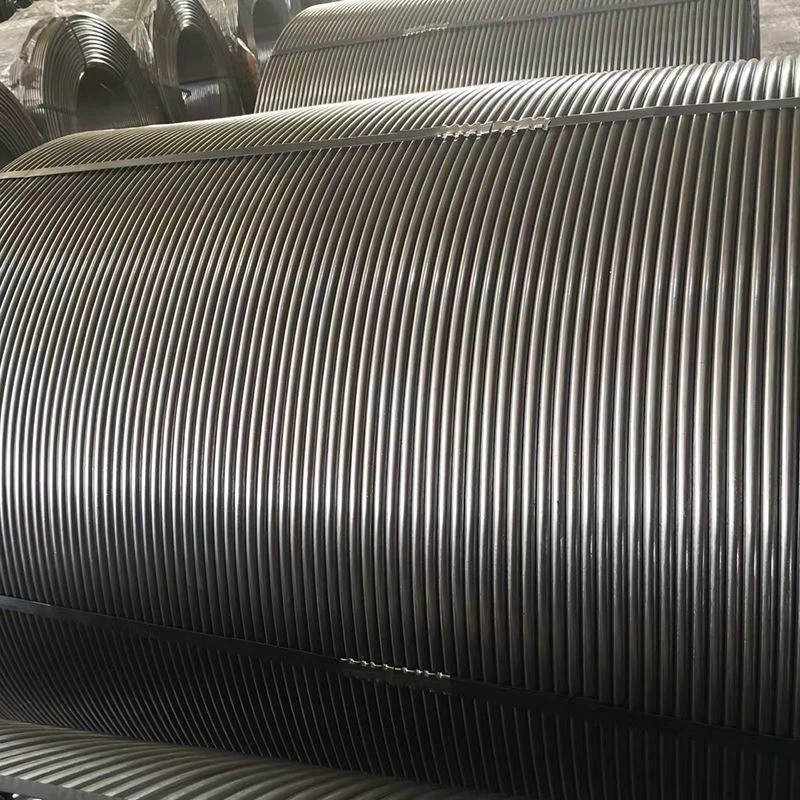
As a supplier of alloy cored wire, I've seen firsthand how important it is for our customers to have a good understanding of these concepts. We always strive to provide high - quality alloy cored wires that are designed to dissolve effectively in molten metal. Our R & D team is constantly working on improving the wire's performance and ensuring that it meets the specific needs of different industries.
If you're in the metalworking business and are looking for reliable alloy cored wire suppliers, we'd love to have a chat with you. Whether you need Sulfur Cored Wire, Cafe Cored Wire, Feti Cored Wire, or any other type of alloy cored wire, we can offer you a solution that fits your requirements. Contact us to start a discussion about your specific needs and let's work together to achieve the best results for your metal production.
References
- "Handbook of Metal Casting"
- "Principles of Steelmaking"
- "Alloying Elements in Steel"