

What is the role of C Cored Wire in reducing inclusions in steel?
Jul 23, 2025
Leave a message
Hey there, steel enthusiasts! As a supplier of C Cored Wire, I've seen firsthand the amazing impact it has on steel quality. Today, I'm gonna dive into the role of C Cored Wire in reducing inclusions in steel.
Let's start by understanding what inclusions are in steel. Inclusions are non - metallic particles that find their way into the steel during the manufacturing process. These can be oxides, sulfides, or other compounds. They can significantly affect the mechanical properties of steel, like its strength, ductility, and toughness. For example, large inclusions can act as stress concentrators, leading to premature failure of the steel product.
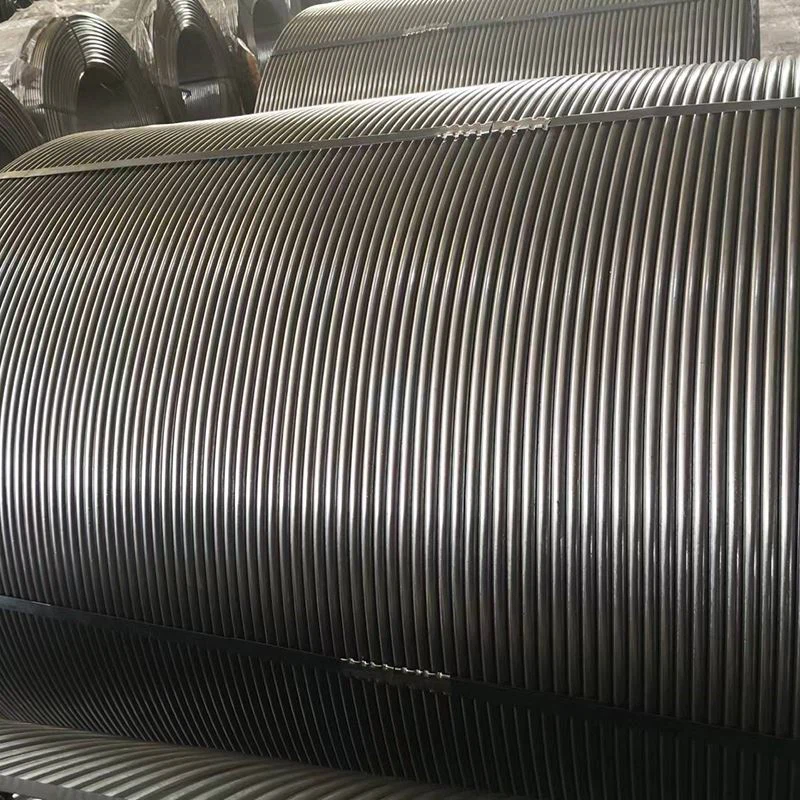
So, where does C Cored Wire come in? Well, C Cored Wire is a type of cored wire that contains carbon in its core, wrapped in a steel sheath. When this wire is fed into the molten steel, it starts to play its magic.
One of the main ways C Cored Wire helps reduce inclusions is through the process of deoxidation. Oxygen is a common impurity in steel, and it can form oxide inclusions. Carbon in the C Cored Wire reacts with the dissolved oxygen in the molten steel. The reaction is as follows: C + O → CO. The carbon combines with oxygen to form carbon monoxide gas, which bubbles out of the molten steel. This effectively removes oxygen from the steel, reducing the formation of oxide inclusions.
Another important aspect is the modification of sulfide inclusions. Sulfur is another element that can cause problems in steel. It forms sulfide inclusions, which can be harmful to the steel's properties, especially its hot - working ability. The carbon in the C Cored Wire can interact with sulfur in the steel. It helps in changing the shape and size of sulfide inclusions. Instead of large, elongated sulfide inclusions that can weaken the steel, smaller and more spherical sulfide inclusions are formed. These spherical inclusions are less likely to cause stress concentrations and are more beneficial for the overall quality of the steel.
Now, let's talk about how C Cored Wire compares with other types of cored wires in reducing inclusions. There are different types of cored wires available in the market, such as Feca Cored Wire, Sulfur Cored Wire, and Calcium Silicon Cored Wire. Each of these has its own unique role.
Feca Cored Wire is mainly used for alloying and can also contribute to the reduction of inclusions by adjusting the chemical composition of the steel. Sulfur Cored Wire, on the other hand, is used to control the sulfur content in a more precise way. And Calcium Silicon Cored Wire is well - known for its ability to modify the shape of inclusions, especially alumina inclusions. But C Cored Wire has its own edge. It is relatively cost - effective and can be used in a wide range of steel - making processes. It can be easily integrated into existing steel - making operations without requiring major changes to the equipment.
The addition of C Cored Wire also has an impact on the steel's cleanliness. Cleaner steel means fewer inclusions, and this is crucial for high - quality steel products. For industries like automotive, aerospace, and construction, where the performance and reliability of steel components are of utmost importance, reducing inclusions is a top priority. C Cored Wire helps in achieving this by removing impurities and modifying the nature of the inclusions that remain in the steel.
In terms of the process of adding C Cored Wire, it's a relatively straightforward operation. The wire is fed into the molten steel using a wire - feeding machine. The feeding rate and depth can be adjusted according to the specific requirements of the steel - making process. This allows for precise control over the amount of carbon added to the steel, ensuring optimal results in terms of inclusion reduction.
One of the advantages of using C Cored Wire from our supply is the quality control. We make sure that the carbon content in the wire is consistent, and the steel sheath is of high quality. This consistency is important because it ensures that the reaction in the molten steel is predictable and reproducible. We also offer different sizes and specifications of C Cored Wire to meet the diverse needs of our customers.
Moreover, C Cored Wire can also improve the fluidity of the molten steel. When inclusions are reduced, the steel becomes more homogeneous, and its flow characteristics are enhanced. This is beneficial during the casting process, as it allows for better filling of the molds and reduces the chances of defects in the final steel products.
Now, I want to emphasize that C Cored Wire is not a one - size - fits - all solution. In some cases, it may need to be used in combination with other cored wires or refining techniques to achieve the best results. But it definitely plays a significant role in the overall strategy of reducing inclusions in steel.
If you're in the steel - making industry and are looking for a reliable way to reduce inclusions in your steel products, I highly recommend considering C Cored Wire. We have years of experience in supplying high - quality C Cored Wire, and we're confident that it can make a positive difference in your steel - making process. Whether you're producing high - strength steel for bridges or precision - engineered steel for automotive parts, our C Cored Wire can help you achieve better quality and performance.
So, if you're interested in learning more about our C Cored Wire or want to discuss your specific requirements, don't hesitate to reach out. We're here to help you improve the quality of your steel products and take your business to the next level. Let's work together to make better steel!

References:
- Smith, J. (2018). "Advances in Steel Refining Techniques". Metallurgical Journal.
- Johnson, A. (2019). "The Role of Cored Wires in Steelmaking". Steel Industry Review.