

What is the melting point of Casi Cored Wire?
May 26, 2025
Leave a message
As a dedicated supplier of Casi Cored Wire, I've received numerous inquiries about its melting point. Understanding the melting point of Casi Cored Wire is crucial for various industrial applications, especially in steelmaking and foundry operations. In this blog post, I'll delve into the details of the melting point of Casi Cored Wire, its significance, and how it relates to its performance in industrial processes.
What is Casi Cored Wire?
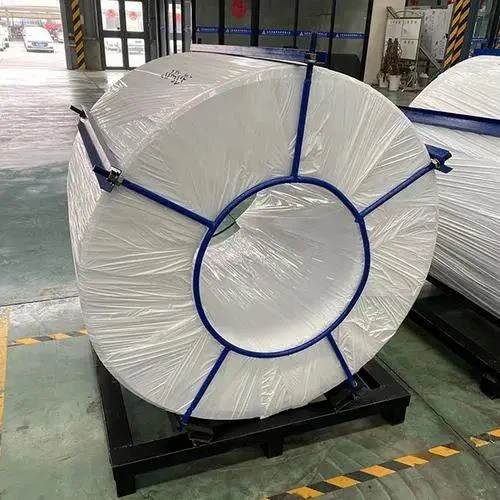
Casi Cored Wire, also known as Calcium - Silicon Cored Wire, is a vital alloying material used in the steel and iron industries. It consists of a calcium - silicon alloy powder encapsulated within a steel sheath. The calcium - silicon alloy provides several beneficial effects in steelmaking, such as desulfurization, deoxidation, and inclusion modification. These effects help improve the quality and mechanical properties of the final steel product.
Determining the Melting Point of Casi Cored Wire
The melting point of Casi Cored Wire is primarily determined by the composition of the calcium - silicon alloy inside the wire. The typical calcium - silicon alloy used in Casi Cored Wire contains around 28 - 32% calcium and 60 - 65% silicon, with the remainder being trace elements. The melting point of this alloy generally ranges from 1200°C to 1300°C (2192°F to 2372°F).
However, it's important to note that the melting point of the entire Casi Cored Wire can be influenced by the steel sheath. The steel sheath typically has a melting point of around 1400°C to 1500°C (2552°F to 2732°F). As a result, the overall melting behavior of Casi Cored Wire is a complex process that involves the melting of both the alloy core and the steel sheath.

Significance of the Melting Point in Industrial Applications
The melting point of Casi Cored Wire plays a crucial role in its effectiveness in steelmaking and foundry operations. Here are some key aspects:
1. Alloying Efficiency
The melting point determines how quickly the calcium - silicon alloy is released into the molten steel or iron. If the melting point is too high, the alloy may not fully dissolve in the molten metal, leading to poor alloying efficiency. On the other hand, if the melting point is too low, the alloy may react prematurely with the oxygen in the furnace, reducing its effectiveness.
2. Inclusion Modification
In steelmaking, one of the main functions of Casi Cored Wire is to modify the inclusions in the molten steel. The melting point affects the timing and extent of inclusion modification. When the Casi Cored Wire melts at the appropriate temperature, the calcium - silicon alloy can react with the inclusions, changing their shape and composition. This results in improved mechanical properties and fatigue resistance of the final steel product.
3. Process Control
Understanding the melting point of Casi Cored Wire is essential for process control in steelmaking and foundry operations. By adjusting the temperature and feeding rate of the Casi Cored Wire, operators can ensure that the alloy is added to the molten metal at the optimal time and in the correct amount. This helps maintain consistent product quality and reduces production costs.
Factors Affecting the Melting Point of Casi Cored Wire
Several factors can affect the melting point of Casi Cored Wire:
1. Alloy Composition
As mentioned earlier, the composition of the calcium - silicon alloy has a significant impact on the melting point. Small variations in the calcium and silicon content can cause changes in the melting point range. For example, an increase in the calcium content may lower the melting point, while a higher silicon content may raise it.
2. Steel Sheath Thickness
The thickness of the steel sheath can also influence the melting behavior of Casi Cored Wire. A thicker sheath will take longer to melt, delaying the release of the alloy into the molten metal. Conversely, a thinner sheath may result in premature melting and alloy loss.
3. Temperature and Heating Rate
The temperature and heating rate in the furnace or ladle can affect the melting point of Casi Cored Wire. A higher temperature and faster heating rate will cause the wire to melt more quickly, while a lower temperature and slower heating rate may result in incomplete melting.
Comparison with Other Cored Wires
It's interesting to compare the melting point of Casi Cored Wire with other types of cored wires used in the industry. For example, 12mm Aluminum Wire typically has a lower melting point, around 660°C (1220°F). This makes it suitable for applications where a lower melting temperature is required, such as in some aluminum - alloy casting processes.
Cafe Cored Wire, on the other hand, contains a calcium - ferro - aluminum alloy and has a melting point similar to that of Casi Cored Wire, usually in the range of 1200°C to 1300°C (2192°F to 2372°F). It is also used for desulfurization and deoxidation in steelmaking.
Ca Cored Wire, which contains pure calcium, has a relatively low melting point of around 842°C (1548°F). However, due to its high reactivity, it needs to be carefully handled and fed into the molten metal to ensure effective alloying.
Conclusion
In conclusion, the melting point of Casi Cored Wire is a critical parameter that affects its performance in steelmaking and foundry operations. The typical melting point of the calcium - silicon alloy in Casi Cored Wire ranges from 1200°C to 1300°C (2192°F to 2372°F), with the steel sheath having a higher melting point. Understanding the melting point and its influencing factors is essential for optimizing the alloying process, improving product quality, and reducing production costs.
If you're in the steel or iron industry and are interested in purchasing high - quality Casi Cored Wire, I encourage you to reach out to me for further discussion. I'm more than happy to provide you with detailed product information, technical support, and pricing. Let's work together to achieve your production goals and enhance the quality of your products.
References
- "Handbook of Steelmaking Processes", John Wiley & Sons
- "Metallurgy of Steel and Iron", McGraw - Hill Education
- Industry reports on alloy - cored wire applications