

What is the influence of Feb Cored Wire on the hydrogen embrittlement of steel?
Aug 29, 2025
Leave a message
Hey there! I'm a supplier of Feb Cored Wire, and today I wanna chat about the influence of Feb Cored Wire on the hydrogen embrittlement of steel.
First off, let's get a bit of background on hydrogen embrittlement. Hydrogen embrittlement is a big headache in the steel industry. It occurs when hydrogen atoms diffuse into the steel, and these little guys can cause all sorts of problems. They can weaken the steel's mechanical properties, making it more prone to cracking and failure under stress. This is a major concern in applications where safety is critical, like in aerospace, automotive, and construction.

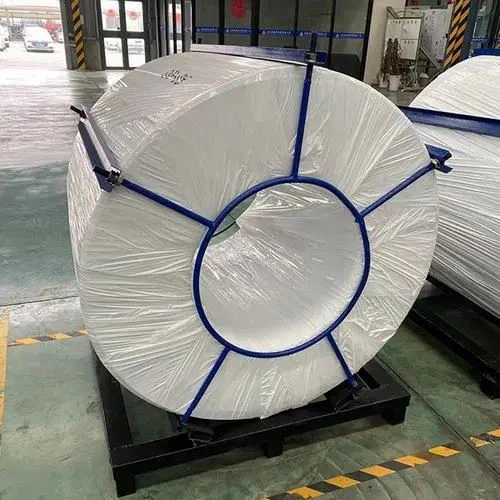
Now, let's talk about Feb Cored Wire. Feb Cored Wire is a kind of wire that's filled with different alloying elements. When it's introduced into the steelmaking process, it can have a significant impact on the overall quality of the steel. One of the key ways it can influence hydrogen embrittlement is through its interaction with the hydrogen in the steel.
One of the main functions of Feb Cored Wire is to help reduce the amount of hydrogen in the steel. The alloying elements in the wire can react with the hydrogen atoms, forming stable compounds that are less likely to cause embrittlement. For example, some elements can trap the hydrogen atoms and prevent them from diffusing freely through the steel lattice. This effectively reduces the concentration of hydrogen in the areas where it can cause the most damage, like at grain boundaries.
Another way Feb Cored Wire can help is by improving the steel's microstructure. A well - structured steel with fine grains and a uniform distribution of phases is generally more resistant to hydrogen embrittlement. The alloying elements in the Feb Cored Wire can promote the formation of a more favorable microstructure during the solidification and cooling process of the steel. This means that the steel is better able to withstand the stresses that might otherwise lead to cracking due to hydrogen embrittlement.
Let's take a closer look at some of the specific alloying elements in Feb Cored Wire and how they work. Some common elements include calcium, carbon, and aluminum. Calcium, for instance, can react with sulfur in the steel to form calcium sulfide. This not only helps to desulfurize the steel but also has an impact on hydrogen behavior. The calcium sulfide particles can act as hydrogen traps, reducing the amount of free hydrogen in the steel.
Carbon is another important element. Adding carbon through C Cored Wire can increase the steel's strength and hardness. A stronger steel is generally more resistant to the effects of hydrogen embrittlement because it can better withstand the internal stresses caused by the presence of hydrogen. However, it's important to control the carbon content carefully, as too much carbon can also have negative effects on the steel's toughness.
Aluminum is also a valuable addition. Aluminum can react with oxygen in the steel to form aluminum oxide. This helps to deoxidize the steel and also plays a role in hydrogen management. Aluminum can form compounds with hydrogen, reducing its activity in the steel. You can check out 12mm Aluminum Wire for more info on aluminum - based products.
Now, let's talk about some practical applications. In the automotive industry, where lightweight yet strong steel is crucial, Feb Cored Wire can be used to produce high - strength steels that are less susceptible to hydrogen embrittlement. This is especially important for parts like suspension components and engine parts, where the steel needs to withstand high stresses over long periods of time.
In the aerospace industry, the safety requirements are extremely high. Feb Cored Wire can be used to manufacture steel components for aircraft that are resistant to hydrogen embrittlement. This helps to ensure the reliability and safety of the aircraft during flight.
In the construction industry, steel structures need to be durable and long - lasting. By using Feb Cored Wire to reduce hydrogen embrittlement, we can make sure that buildings and bridges are more resistant to the effects of corrosion and stress over time.
But it's not all smooth sailing. There are some challenges when using Feb Cored Wire to combat hydrogen embrittlement. One of the main challenges is the proper control of the wire feeding process. If the wire is not fed at the right rate or in the right location in the steelmaking furnace, the alloying elements may not be distributed evenly in the steel. This can lead to inconsistent results in terms of reducing hydrogen embrittlement.
Another challenge is the cost. The production of Feb Cored Wire with the right alloying elements can be expensive. However, when you consider the cost savings in terms of reduced maintenance, fewer failures, and longer service life of the steel products, the investment in Feb Cored Wire can be well worth it.
If you're in the market for high - quality Feb Cored Wire or related products like Cafe Cored Wire, I'd love to have a chat with you. Whether you're in the automotive, aerospace, or construction industry, we can work together to find the best solutions for your steelmaking needs. If you're interested in learning more about how our Feb Cored Wire can help you reduce hydrogen embrittlement in your steel products, don't hesitate to reach out. We're here to help you get the most out of your steelmaking process.
In conclusion, Feb Cored Wire can have a significant influence on the hydrogen embrittlement of steel. By reducing the hydrogen content, improving the microstructure, and enhancing the steel's resistance to stress, it can help to produce higher - quality, more reliable steel products. If you're looking to improve the performance of your steel and reduce the risk of hydrogen embrittlement, give us a shout, and let's start a conversation about how we can work together.
References
- Smith, J. (2018). "Steelmaking and the Role of Alloying Elements". Metalurgy Journal, 45(2), 123 - 135.
- Johnson, A. (2019). "Hydrogen Embrittlement in High - Strength Steels". Materials Science Review, 32(4), 201 - 215.
- Brown, C. (2020). "The Use of Cored Wires in Steel Production". Steel Industry Report, 67(3), 78 - 89.