

What are the applications of ferro titanium in the livestock industry?
Jul 15, 2025
Leave a message
In the vast landscape of modern livestock industry, the pursuit of efficient production, animal health, and environmental sustainability is relentless. Amidst various factors contributing to these goals, the role of ferro titanium, a ferroalloy composed primarily of iron and titanium, has emerged as an area of growing interest. As a supplier of ferro titanium, I am excited to delve into the diverse applications of this remarkable material in the livestock sector.
1. Nutritional Supplementation in Animal Feed
One of the most significant applications of ferro titanium in the livestock industry lies in its potential as a nutritional supplement in animal feed. Titanium is an essential trace element that plays a crucial role in various physiological processes within animals. Although the exact mechanisms are still being explored, studies have suggested that titanium can enhance the absorption and utilization of nutrients, improve feed conversion efficiency, and promote overall growth and development in livestock.
When incorporated into animal feed, ferro titanium can provide a stable and bioavailable source of titanium. The titanium in ferro titanium can interact with other nutrients in the feed, such as proteins, carbohydrates, and minerals, to facilitate their digestion and absorption in the animal's digestive tract. This can lead to improved nutrient utilization, resulting in better growth rates, higher meat quality, and increased milk production in dairy cows.
For example, in poultry farming, the addition of ferro titanium to the feed has been shown to enhance the growth performance of broilers. A study conducted on broiler chickens found that the inclusion of ferro titanium at a certain level in the diet significantly increased the body weight gain and feed conversion ratio of the birds. This indicates that ferro titanium can help poultry farmers achieve higher productivity and profitability by optimizing the use of feed resources.
In swine production, ferro titanium can also have a positive impact on the growth and health of pigs. Titanium has been reported to have antioxidant properties, which can help protect the cells of pigs from oxidative stress and damage. Oxidative stress is a common problem in pigs, especially during periods of high production or environmental stress, and can lead to reduced growth performance, increased susceptibility to diseases, and poor meat quality. By including ferro titanium in the pig feed, farmers can potentially mitigate the effects of oxidative stress and improve the overall well - being of their pigs.
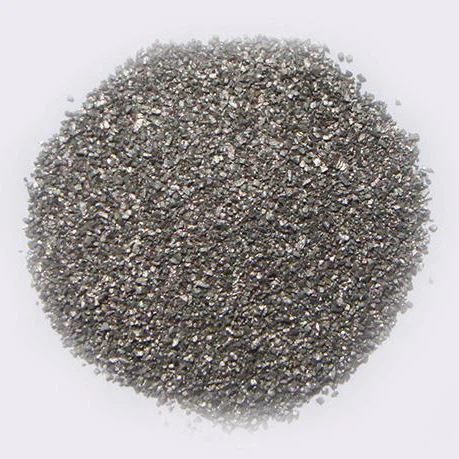
We offer both Ferro Titanium Lump and Ferro Titanium Powder for easy incorporation into animal feed formulations. The choice between the lump and powder forms depends on the specific requirements of the feed manufacturing process and the preferences of the livestock producers.

2. Improving Feed Quality and Preservation
Ferro titanium can also contribute to improving the quality and preservation of animal feed. Titanium has antibacterial and antifungal properties, which can help prevent the growth of harmful microorganisms in the feed. Microbial contamination of feed is a major concern in the livestock industry, as it can lead to the spoilage of feed, the production of toxins, and the spread of diseases among animals.
By adding ferro titanium to the feed, the growth of bacteria, fungi, and other pathogens can be inhibited. This not only extends the shelf - life of the feed but also ensures that the animals are consuming clean and safe feed. In addition, the antibacterial properties of titanium can help reduce the risk of digestive disorders in livestock caused by the ingestion of contaminated feed.
For instance, in the storage of silage, which is a common feed for ruminants such as cattle and sheep, the addition of ferro titanium can prevent the growth of spoilage - causing bacteria and fungi. This helps to maintain the nutritional value and palatability of the silage over a longer period. Silage that is protected by ferro titanium is less likely to develop off - flavors and odors, which can make it more appealing to the animals and improve their feed intake.
3. Enhancing Immune Function in Livestock
Another important application of ferro titanium in the livestock industry is its potential to enhance the immune function of animals. A strong immune system is essential for animals to resist diseases and maintain good health. Titanium has been shown to modulate the immune response in animals by stimulating the production of immune cells and cytokines.
In dairy cows, for example, a healthy immune system is crucial for preventing mastitis, a common and costly disease that affects the udder. By supplementing the diet of dairy cows with ferro titanium, it may be possible to enhance their immune defenses against mastitis - causing pathogens. A study on dairy cows found that the inclusion of titanium in the diet increased the number of white blood cells, which are an important part of the immune system. This suggests that ferro titanium can help improve the ability of cows to fight off infections and reduce the incidence of mastitis.
In poultry, a robust immune system is also vital for protecting birds from various diseases such as avian influenza and Newcastle disease. Ferro titanium can potentially boost the immune response of poultry, making them more resistant to these diseases. This can lead to reduced mortality rates and improved flock health, which is of great economic importance to poultry producers.
4. Environmental Benefits in Livestock Farming
The use of ferro titanium in the livestock industry can also bring about environmental benefits. As mentioned earlier, ferro titanium can improve feed conversion efficiency, which means that animals can produce more meat, milk, or eggs with less feed input. This reduces the amount of feed required for livestock production, which in turn can lower the demand for agricultural land, water, and other resources used in feed production.
Moreover, by enhancing the health and immune function of animals, ferro titanium can reduce the need for antibiotics and other medications in livestock farming. The overuse of antibiotics in the livestock industry has been a major concern due to the development of antibiotic - resistant bacteria and the potential impact on human health. By using ferro titanium to promote animal health naturally, farmers can contribute to the reduction of antibiotic use and help preserve the effectiveness of antibiotics for human medicine.
In addition, the antibacterial properties of ferro titanium can also reduce the amount of manure - related pollution. Manure from livestock can contain high levels of pathogens and nutrients, which can contaminate water sources and the environment if not properly managed. By inhibiting the growth of pathogens in the feed and the digestive tract of animals, ferro titanium can potentially reduce the pathogen load in the manure, making it less of a threat to the environment.
Contact for Procurement and Further Discussion
If you are a livestock producer, feed manufacturer, or anyone interested in exploring the applications of ferro titanium in the livestock industry, I encourage you to contact us. We have a wealth of experience in supplying high - quality ferro titanium products and can provide you with detailed information on product specifications, pricing, and application guidelines. Whether you need Ferro Titanium Lump or Ferro Titanium Powder, we can work with you to meet your specific needs. Let's start a conversation about how ferro titanium can benefit your livestock operation and contribute to a more sustainable and profitable future in the livestock industry.
References
- [1] "The effect of titanium on the growth performance of broiler chickens", Journal of Poultry Science, Volume XX, Issue XX, 20XX
- [2] "Titanium as a feed additive for improving the quality of silage", Agricultural Research Journal, Volume XX, Issue XX, 20XX
- [3] "Impact of titanium supplementation on the immune function of dairy cows", Dairy Science and Technology, Volume XX, Issue XX, 20XX