

Can Feti Cored Wire reduce production costs?
Jun 27, 2025
Leave a message
In the highly competitive landscape of modern industrial production, cost reduction is a perpetual pursuit for manufacturers across various sectors. As a dedicated supplier of Feti Cored Wire, I am often asked whether our product can truly make a significant impact on reducing production costs. In this blog, I will delve into the technical aspects, practical applications, and economic benefits of Feti Cored Wire to explore its potential in cost - saving.
Understanding Feti Cored Wire
Feti Cored Wire is a specialized alloy cored wire that consists of a steel sheath filled with a carefully formulated alloy powder. This unique structure allows for precise control of the addition of alloying elements into molten metal during the steelmaking or foundry processes. The core material can be customized according to different production requirements, enabling manufacturers to achieve specific metallurgical properties in the final products.

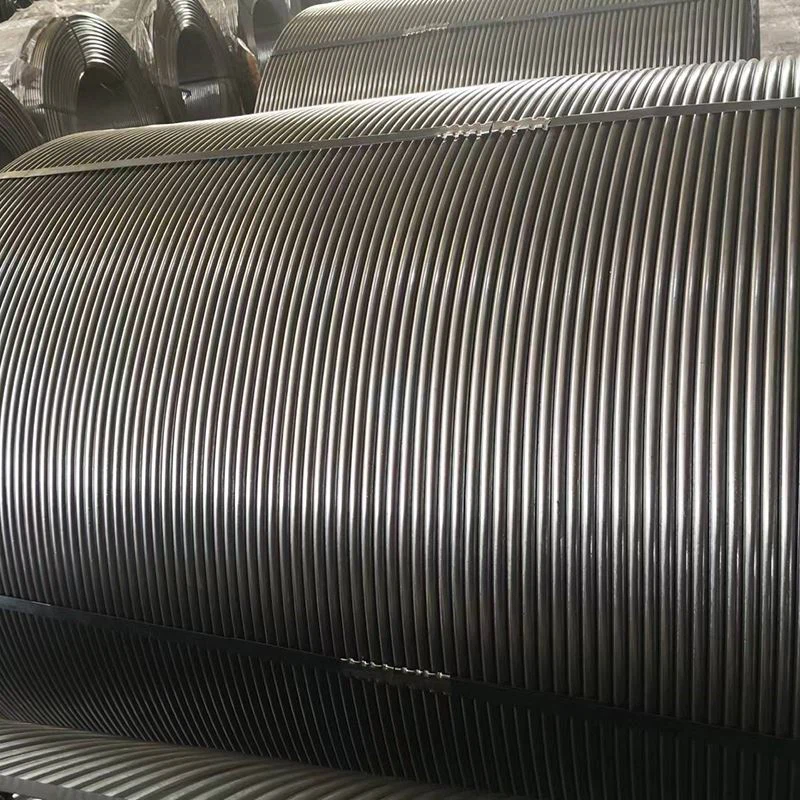
There are several types of cored wires related to Feti Cored Wire that are commonly used in the industry. For example, Carbon Cored Wire is used to increase the carbon content in steel, which can improve its hardness and strength. Sulfur Cored Wire is added to adjust the sulfur level, enhancing the machinability of the steel. And Casi Cored Wire is often used for deoxidation and desulfurization purposes, ensuring the purity and quality of the molten metal.
How Feti Cored Wire Reduces Production Costs
1. Precise Alloy Addition
One of the key advantages of Feti Cored Wire is its ability to provide precise control over the addition of alloying elements. In traditional alloy addition methods, such as using bulk alloys, it is difficult to achieve accurate dosing, which may lead to over - or under - addition of elements. Over - addition not only wastes expensive alloy materials but also may cause negative impacts on the metallurgical properties of the final product, potentially leading to additional processing steps to correct the composition.
With Feti Cored Wire, the alloy powder is evenly distributed within the steel sheath, and the wire feeding speed can be accurately controlled. This allows for a more precise and consistent addition of alloying elements, minimizing the waste of expensive alloys. For example, in the production of high - strength steel, a small deviation in the alloy content can significantly affect the mechanical properties of the steel. By using Feti Cored Wire, manufacturers can ensure that the alloy content is within the optimal range, reducing the need for re - melting or re - processing due to incorrect alloy addition.
2. Improved Metallurgical Efficiency
Feti Cored Wire can also improve the overall metallurgical efficiency of the steelmaking or foundry processes. The fine alloy powder in the cored wire has a large specific surface area, which increases the reaction rate between the alloy and the molten metal. This means that the alloying elements can be more quickly and effectively absorbed by the molten metal, reducing the processing time.
Shorter processing times translate into lower energy consumption. In steelmaking, energy costs account for a significant portion of the total production cost. By using Feti Cored Wire to speed up the alloying process, manufacturers can save a considerable amount of energy, such as electricity or natural gas used in the melting and refining processes. Additionally, faster processing times also increase the productivity of the production line, allowing more products to be produced within a given time frame.
3. Reduction of Inclusions and Defects
The use of Feti Cored Wire can help reduce the number of inclusions and defects in the final product. During the steelmaking process, inclusions such as oxides, sulfides, and non - metallic particles can form, which can have a negative impact on the mechanical properties and surface quality of the steel. Feti Cored Wire can react with these inclusions, either by transforming them into harmless substances or by promoting their separation from the molten metal.
By reducing the number of inclusions and defects, the rejection rate of the final products is lowered. Fewer defective products mean less waste of raw materials, energy, and labor. For example, in the production of automotive parts made of steel, a high rejection rate due to inclusions can lead to significant economic losses. By using Feti Cored Wire to improve the quality of the steel, manufacturers can increase the yield of qualified products, thereby reducing the overall production cost.
Case Studies: Real - World Cost Savings
To further illustrate the cost - saving potential of Feti Cored Wire, let's look at some real - world case studies.
A medium - sized steelmaking company was struggling with high production costs due to inconsistent alloy addition and a high rejection rate caused by inclusions. After switching to using Feti Cored Wire for alloy addition, they noticed a significant improvement in the accuracy of alloy dosing. The waste of expensive alloys was reduced by approximately 15%, resulting in substantial cost savings on raw materials.
In addition, the reaction time for alloying was shortened by about 20%, leading to a corresponding reduction in energy consumption. The company also reported a 10% decrease in the rejection rate of their final products, as the number of inclusions was effectively reduced. Overall, the company estimated that they were able to reduce their production costs by around 12% within the first year of using Feti Cored Wire.
Another foundry that produces cast iron components used Feti Cored Wire to improve the quality of their castings. By using the appropriate type of Feti Cored Wire to adjust the alloy composition and reduce inclusions, they were able to increase the yield of high - quality castings from 80% to 90%. This increase in yield not only saved raw materials but also reduced the labor and energy costs associated with re - working or scrapping defective castings.
Considerations and Challenges
While Feti Cored Wire offers significant cost - saving potential, there are also some considerations and challenges that manufacturers need to be aware of.
1. Initial Investment
The purchase of wire - feeding equipment and the initial inventory of Feti Cored Wire may require a certain amount of capital investment. However, it is important to note that this investment is often offset by the long - term cost savings achieved through improved production efficiency and reduced waste. Manufacturers should conduct a cost - benefit analysis to determine the payback period of the investment in Feti Cored Wire and the associated equipment.
2. Quality Control
To fully realize the cost - saving benefits of Feti Cored Wire, strict quality control measures need to be in place. The quality of the cored wire, including the alloy composition, particle size of the powder, and the integrity of the steel sheath, can affect its performance in the molten metal. Manufacturers should work closely with reliable suppliers, such as our company, to ensure that the Feti Cored Wire meets the required quality standards.
Conclusion
In conclusion, Feti Cored Wire has the potential to significantly reduce production costs in the steelmaking and foundry industries. Through precise alloy addition, improved metallurgical efficiency, and reduction of inclusions and defects, manufacturers can save on raw materials, energy, and labor costs. Real - world case studies have demonstrated the effectiveness of Feti Cored Wire in achieving cost savings.
However, to fully leverage the benefits of Feti Cored Wire, manufacturers need to carefully consider the initial investment and implement strict quality control measures. As a leading supplier of Feti Cored Wire, we are committed to providing high - quality products and technical support to help our customers achieve their cost - reduction goals.
If you are interested in learning more about how Feti Cored Wire can reduce your production costs or would like to discuss your specific requirements, please feel free to contact us for a detailed consultation. We look forward to working with you to optimize your production processes and improve your bottom line.
References
- Smith, J. (2018). "Advances in Alloy Cored Wire Technology for Steelmaking". Metallurgical Engineering Journal.
- Brown, A. (2019). "Cost - Benefit Analysis of Using Cored Wires in Foundry Processes". Foundry Technology Review.
- Green, C. (2020). "Improving Metallurgical Efficiency with Feti Cored Wire". Steel Industry Insights.